
Revitalizing Inherited Knowledge and Practice
“It is our inherited responsibility to care for the land (Ahki), and now is the time to bring those responsibilities forward again.” The emergence of the cicada reflects the intention of this work - a renewal of identity, responsibility, and way of life. This project is about bringing forward knowledge that has always existed, and creating space for it to be practiced again.
About the Project
Revitalizing Inherited Knowledge and Practice brings together land-based knowledge and western science through a two-eyed seeing approach.
The work is carried out in partnership with First Nations communities across Turtle Island, with each project shaped by the land, the people, and the priorities of that place.
Rather than introducing new systems, this work builds on knowledge that already exists — knowledge rooted in direct relationships with the land, waters, plants, and animals.
Through this approach, the project supports a renewed understanding of how to live with the land, and how that knowledge can guide both community practice and broader conservation efforts.
Focus Areas

Species at Risk
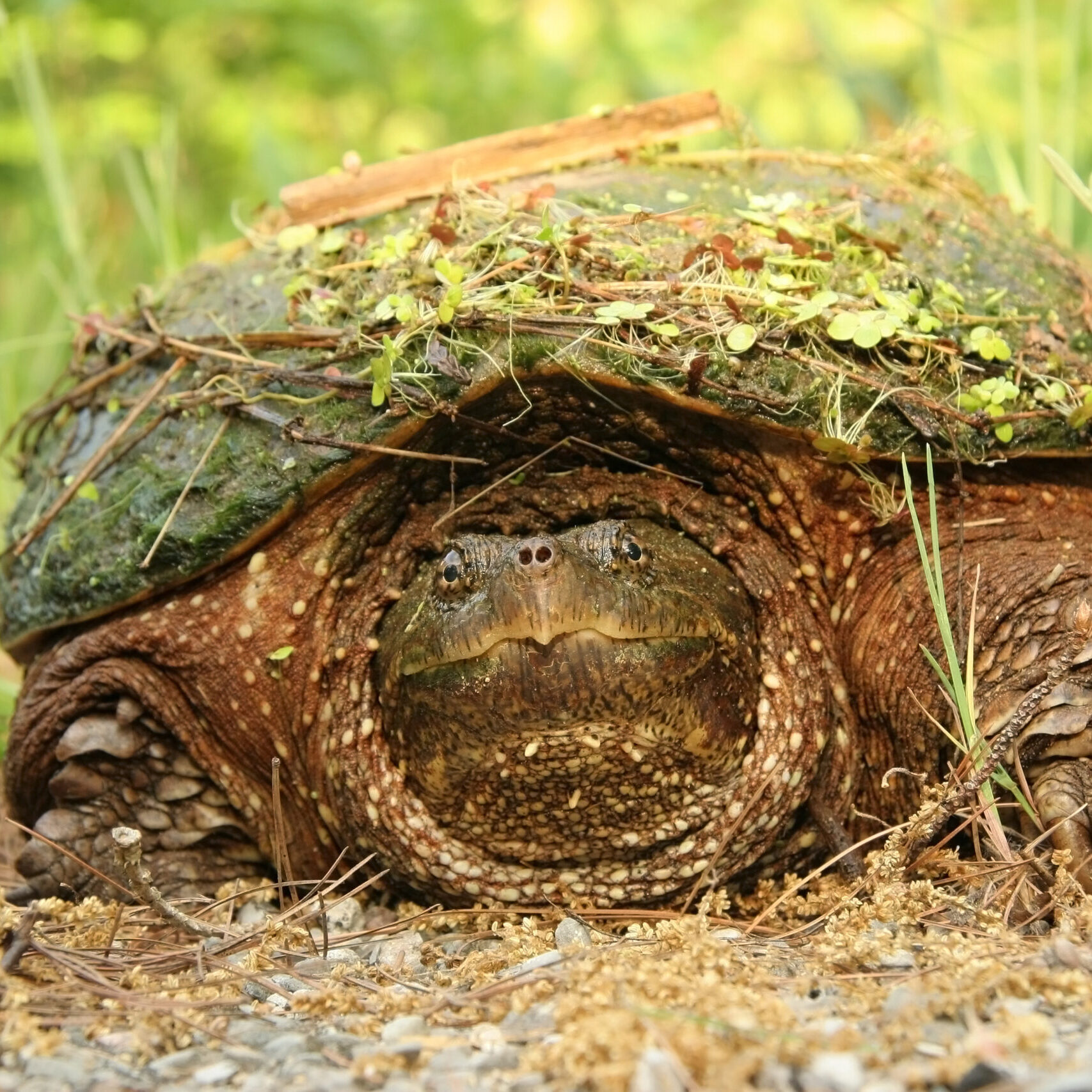
Culturally Significant Species
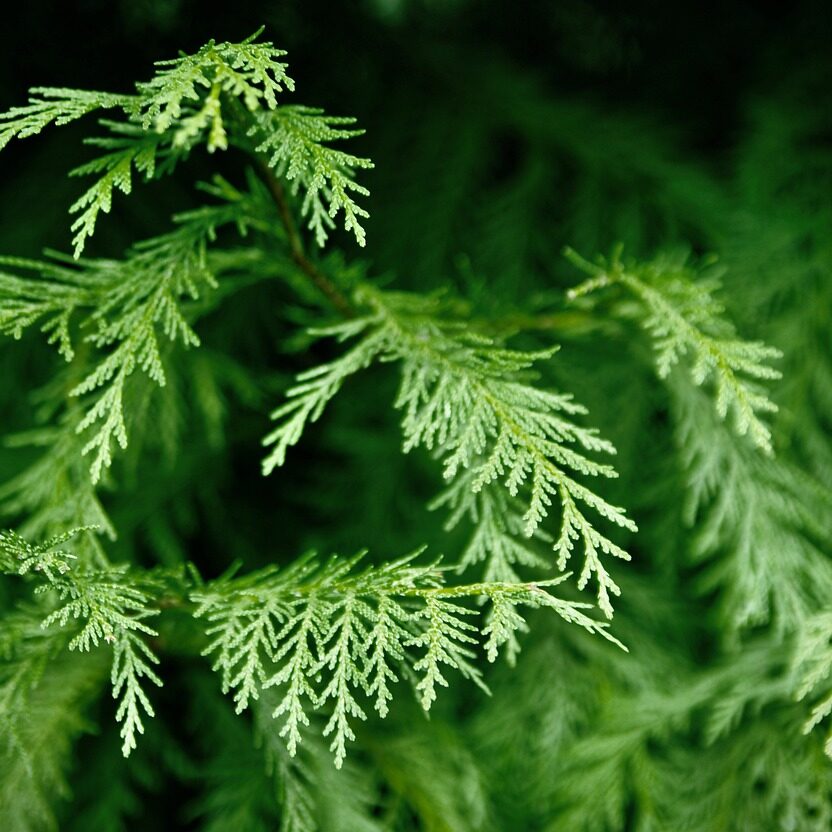
Traditional Medicines
These are not separate from one another. Each plant and animal carries knowledge, and together they form a deeper understanding of the land and how it is to be used and respected.
Purpose
Many First Nations communities have experienced disruption to their relationships with the land due to the impacts of colonization, the Indian Act, and the reserve system.
This work creates space to rebuild those relationships through direct engagement with the land.
By working with the land in practice, communities strengthen knowledge, deepen responsibility, and carry teachings forward in ways that are lived, not just remembered.
At the same time, this work contributes to a broader understanding of how land is meant to be shared — guided by knowledge that comes from the land itself.
How the Work Happens
Projects are carried out in three phases, with flexibility to reflect each community’s needs:
Identify
Community knowledge and research are brought together to identify priority species and areas of focus.
Apply
Projects are developed and carried out on the land, guided by local knowledge and community involvement.
Carry Forward
Knowledge gained through the work is shared, strengthened, and continued over time, supporting long-term relationships with the land.
Projects typically unfold over a three-year period, but timelines are flexible and based on the needs of each community.
What This Work Supports
- Strengthening relationships with the land and all living beings
- Bringing forward knowledge carried through generations
- Supporting the understanding of species, medicines, and habitats
- Creating opportunities for youth to learn through direct experience
- Building connections between land-based knowledge and western science
- Contributing to how conservation and land use are understood more broadly
What This Work Supports
This work is not only about individual projects — it is about restoring ways of learning from and living with the land.
As these practices are carried forward, they support both community well-being and the health of the land itself.
They also help create a clearer understanding of shared land relationships, where knowledge comes from the land and guides how it is used.