Revitalizing Inherited Stewardship
“It is our inherited responsibility as Indigenous people to take care of the Earth (Ahki), and now is the time to restore these original duties.”
The youthful and vibrant adult cicada emerging from its nymph stage can be interpreted as a new beginning and way of life. This emergence represents our vision for the land trust’s stewardship projects. We will also come forward to revitalize our spirit, identity and inherited stewardship for the benefit of all living things.
About
Revitalizing Inherited Stewardship (RIS) integrates Indigenous Ecological Knowledge with Western data through “Two-eyed Seeing,” guiding initiatives in Indigenous communities across Turtle Island (North America). By combining traditional teachings with modern insights, we aim to restore original connections between Indigenous communities and the land. In Ontario, we apply this approach to design and execute land management programs, preserving biodiversity and incorporating Indigenous wisdom into conservation standards. These efforts not only revitalize land understanding but also foster relationships and inspire younger generations in First Nation communities.
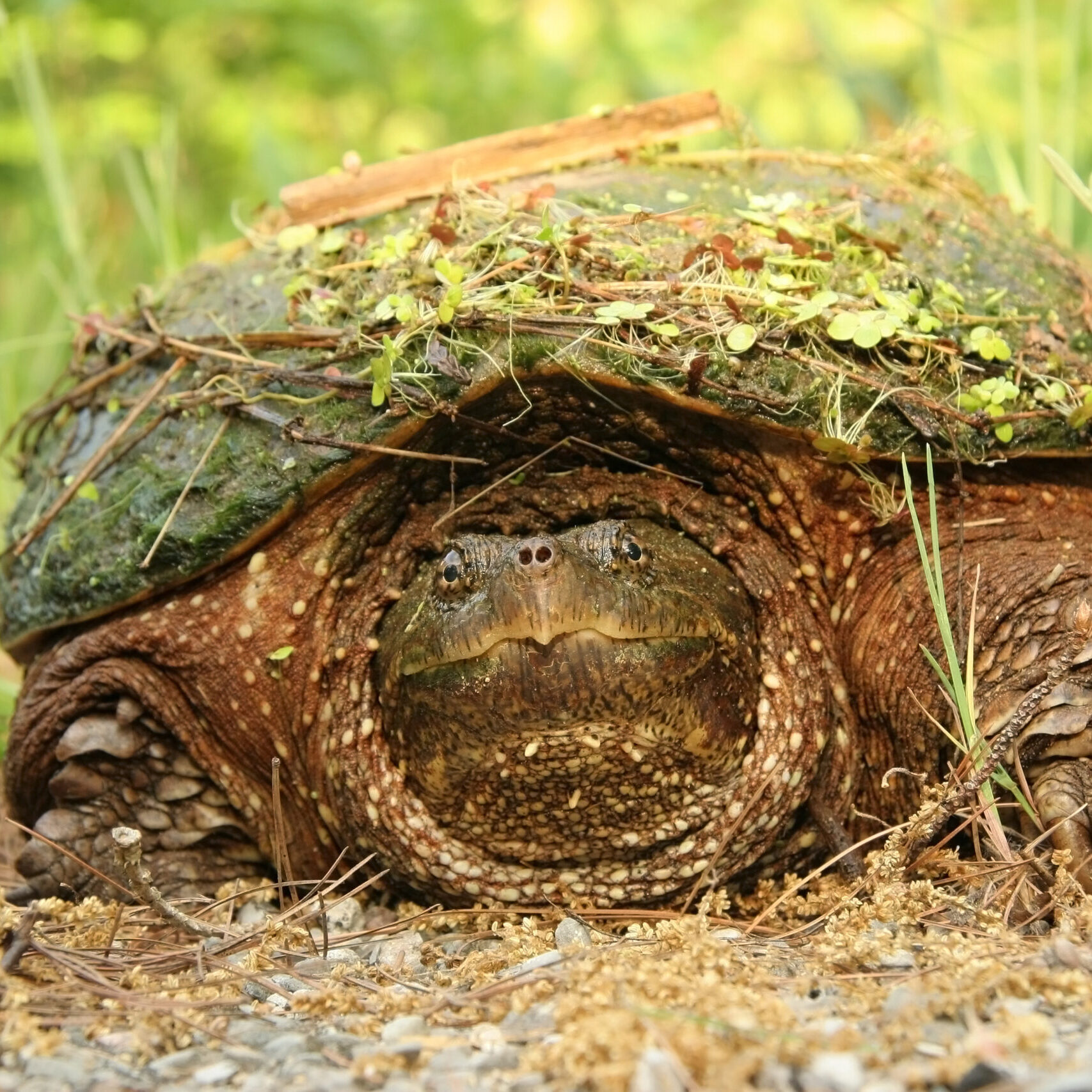
We initially chose to name the project “Revitalizing our Inherited Stewardship of Species at Risk” to highlight our main priorities: Species at Risk and Indigenous involvement. Our responsibility as Indigenous people is to advocate for, protect, and deeply understand these species and their habitats, which are integral to our identity and way of life. While Species at Risk are important, we recognize the significance of all wildlife in our lives. Every plant and animal holds valuable lessons for us, and therefore we expanded our projects to focus on three key areas: Species at Risk, Traditional Medicines, and Culturally Significant Species. Currently, the core project name is “Revitalizing Inherited Stewardship”, but to specify the focus, we can include “of Species at Risk, Traditional Medicines, or Culturally Significant Species” based on the specific needs of different communities. These additions help us clearly convey the primary project focus to stakeholders.
The Purpose
Indigenous communities across Ontario have faced profound challenges due to the historical impacts of colonialism, the imposition of the Indian Act, and the reservation system. These factors have contributed, both directly and indirectly, to the erosion of the vital connections between Indigenous peoples and our ancestral lands. While some communities have managed to safeguard their land relationships and traditional knowledge, the level of awareness regarding the natural world varies from community to community. It is imperative that every community be granted the opportunity to re-establish and strengthen their ties with the land, as this is crucial for the overall well-being of both individuals and the environment.
The implementation of Revitalizing Inherited Stewardship projects plays a pivotal role in facilitating the resurgence of community ecological knowledge. These initiatives aim to enhance our understanding of the land, conduct comprehensive land relationship studies, revive diminishing Indigenous Ecological Knowledge (IEK), and emphasize the importance of honoring and preserving all wildlife, particularly Species at Risk, Traditional Medicines, and Culturally Significant Species on First Nation lands. By engaging in these projects, our goal is to nurture community relationships, inspire younger generations, conserve biodiversity, and set examples for the integration of Indigenous Ecological Knowledge into the foundational standards for land conservation. Through these efforts, we seek to create a sustainable and harmonious coexistence between Indigenous communities and their ancestral lands.
What We Provide
RIS leads Indigenous community initiatives to deepen nature appreciation and conservation through a three-phase approach. Phase 1, ‘Identify’, focuses on research and community input to identify ‘Priority Species’. Phase 2, ‘Implement’, involves further research, implementing Phase 1 recommendations, and community involvement. Phase 3, ‘Integrate’, ongoing from year three, integrates findings from Phases 1 and 2, focusing on Priority Species education, protection, threat mitigation, and habitat stewardship.
- Identify Priority Species in the community, including Species at Risk, Culturally Significant Species, and Traditional Medicines.
- Combat local threats to Species at Risk and wildlife habitats.
- Prioritize landscapes for conservation, safeguarding future biodiversity.
- Honour and bring forward traditional land knowledge.
- Enhance connections, understandings, and appreciation to the land.
- Empower future generations by nurturing ecological awareness within the community.
Benefits of RIS in Your Community
Enhancing Relationships with Mother Earth
By implementing RIS, communities can deepen their understanding of their ‘Priority Species’ and natural habitats within their territories. From identifying species that inhabit their lands to locating medicinal resources and pinpointing habitats crucial for Species at Risk conservation, the benefits are abundant. While each community’s requirements vary, there’s always an opportunity for everyone to enhance their connection with our Ahki (land) through learning.
Cultural Preservation
RIS works to protect and pass on cultural and traditional practices linked to land understandings and use. By incorporating and bringing forward Traditional Knowledge, the project helps to enhance Indigenous identity and community resilience.
Environmental Conservation
By focusing on Stewardship, RIS aims to preserve and protect natural resources, biodiversity and ecosystems. This can lead to cleaner air and water, healthier habitats for wildlife, and the preservation of ‘Priority Species’.
Community Engagement and Empowerment
RIS encourages community involvement through the sharing of land knowledge, volunteerism, and youth. Through community input and involvement, fosters a sens of responsibility and connection. This can strengthen social cohesion and promote environmental awareness and activism.
Inspire Younger Generations
In addition to the Anishinaabek Land Trust, RIS is also driven by youth leadership. Through our project endeavors, we strive to engage young volunteers, employ youth, and educate them by fostering emotional connections to nature, recognizing them as the future leaders of Mother Earth.
Indigenous Influence on Environmental Policy
RIS has the potential to establish standards that integrate Indigenous Ecological Knowledge into future policy development and revisions concerning environmental conservation and sustainable development. This can serve as a model for other regions and contribute to global efforts aimed at tackling environmental challenges.
How Long Does the Project Last?
RIS typically spans three phases, covering a duration of three years from Phase 1 to Phase 3. However, the project’s timeline can be adjusted to accommodate the unique needs of each community and the availability of resources, potentially extending beyond or shortening the three-year timeframe.
How to Apply
If your community is interested in participating in the Revitalizing Inherited Stewardship project, or requires more information please contact us.