
Our Focus Points
Discover what inspires us.
Indigenous Ecological Knowledge
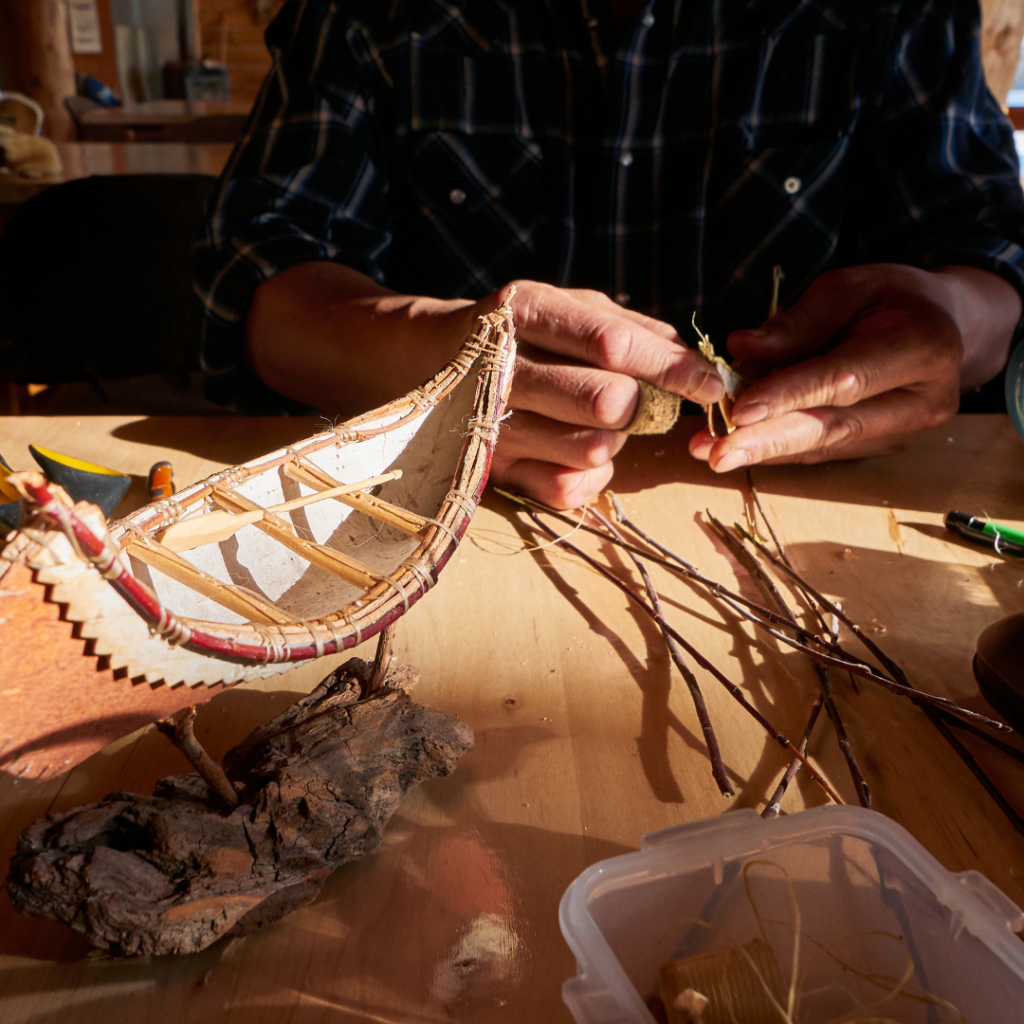
Preserving Indigenous Ecological Knowledge (IEK) is crucial as it preserves cultural heritage, sustains biodiversity, builds resilience to climate change, enables sustainable practices, and upholds the inherent rights of Indigenous peoples. IEK embodies generations of community wisdom about local ecosystems, resource management and adaptation strategies. By valuing and preserving IEK, Indigenous communities will be empowered to maintain stewardship of the land, which will enhance inclusive approaches to conservation and development. To learn more about Indigenous Ecological Knowledge, visit our page on IEK.
Priority Species
We are committed to the preservation of the biodiversity of native wildlife on Turtle Island (North America), and have identified what is priority to us at the land trust. Our Priority Species encompass a diverse group, including those classified as Species at Risk, Traditional Medicines, and Culturally Significant Species.
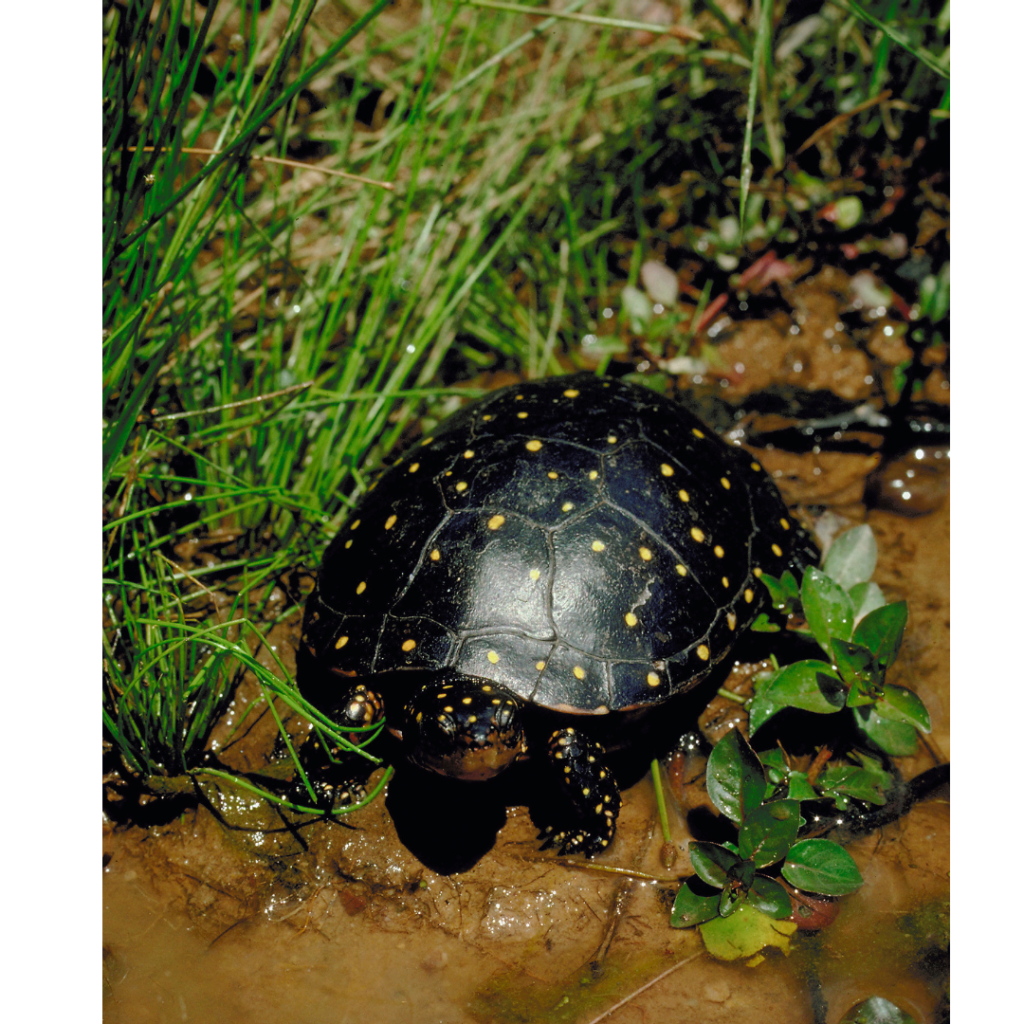
Species at Risk include those designated as Special Concern, Threatened and Endangered under the national Species at Risk Act (2002), as well as those listed by the provincial Endangered Species Act (2007) of Ontario.
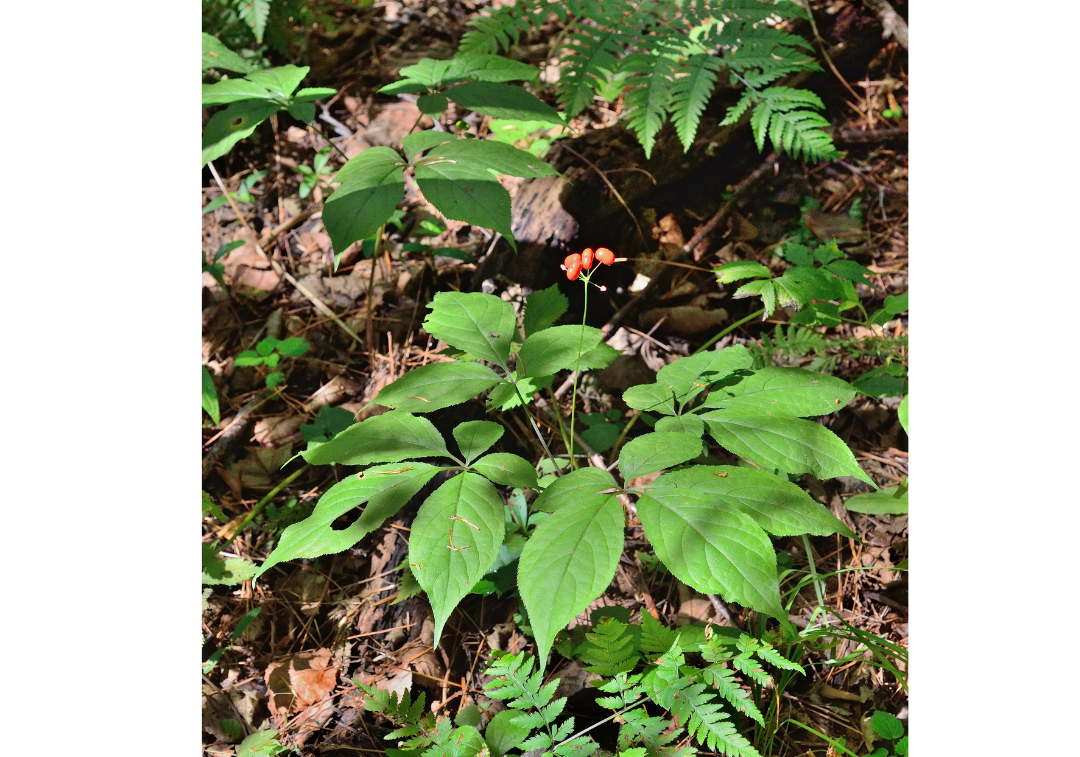
Traditional Medicines hold significant cultural and spiritual importance to Indigenous peoples. They encompass a wide range of plants, herbs, and remedies that have been passed down through generations and are used for healing, spiritual ceremonies, and maintaining overall well-being. These medicines are often deeply intertwined with Indigenous knowledge systems, traditional practices, and holistic approaches to health. They are considered vital components of Indigenous cultural identity and are used to address physical, mental, emotional, and spiritual ailments within Indigenous communities.
Culturally Significant Species are those plants, animals, and other living beings that hold profound cultural, spiritual, and traditional importance to Indigenous peoples. These species are often deeply connected to Indigenous knowledge, stories, ceremonies, and ways of life, playing integral roles in cultural practices, rituals, and teachings. They may be revered as ancestral beings, symbols of resilience, or embodiments of cultural values and teachings. Culturally Significant Species can vary widely among different Indigenous communities, reflecting the diverse cultural and ecological landscapes across Turtle Island. Their preservation and protection are crucial not only for biodiversity conservation but also for the continuation of Indigenous cultures and ways of knowing.
Indigenous Land Preservation
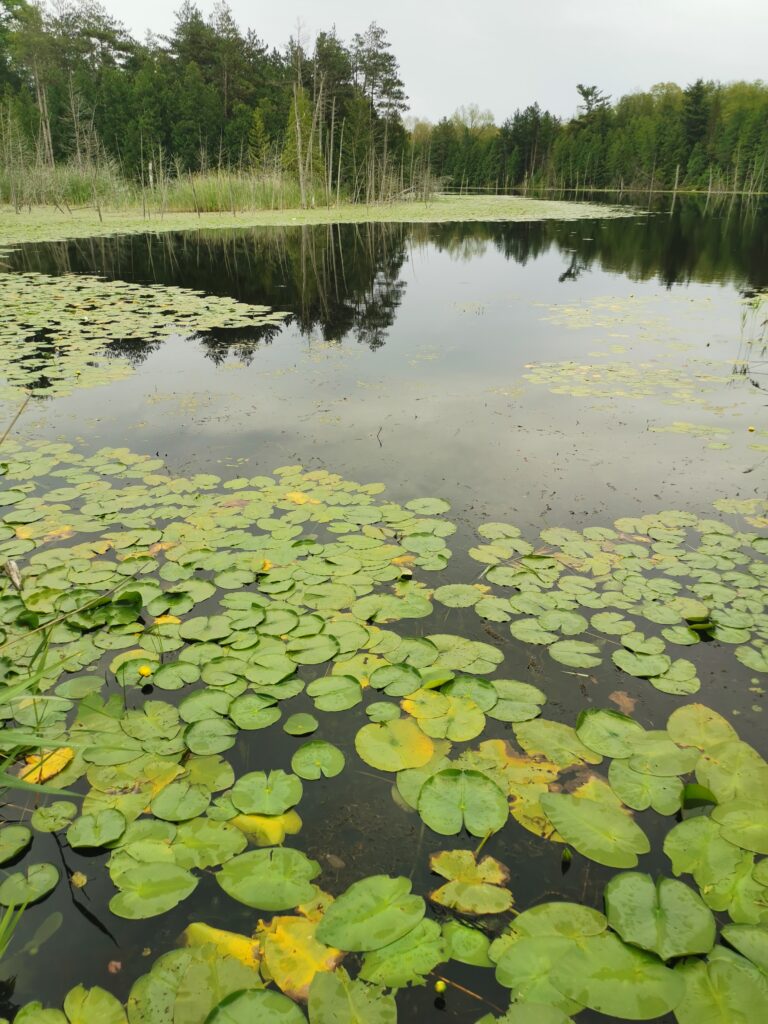
We believe there are many opportunities for Canadians to give back to Indigenous groups to advance the revitalization of traditional lifestyles and identities through donations of private lands and resources. The land trust has developed a 'Land Back' strategy, guiding the process and highlighting lands of traditional and environmental significance. With the land we have acquired, we can work together to rejuvenate and engage in land-based learning and relationships. We are dedicated to implementing wildlife and land management practices influenced by Indigenous Knowledge. It is imperative for Indigenous groups and communities to have access to traditional lands, not only for healthy lifestyles, but for future generations to stay connected with their identity and ancestors.
Intergenerational Knowledge Transfer
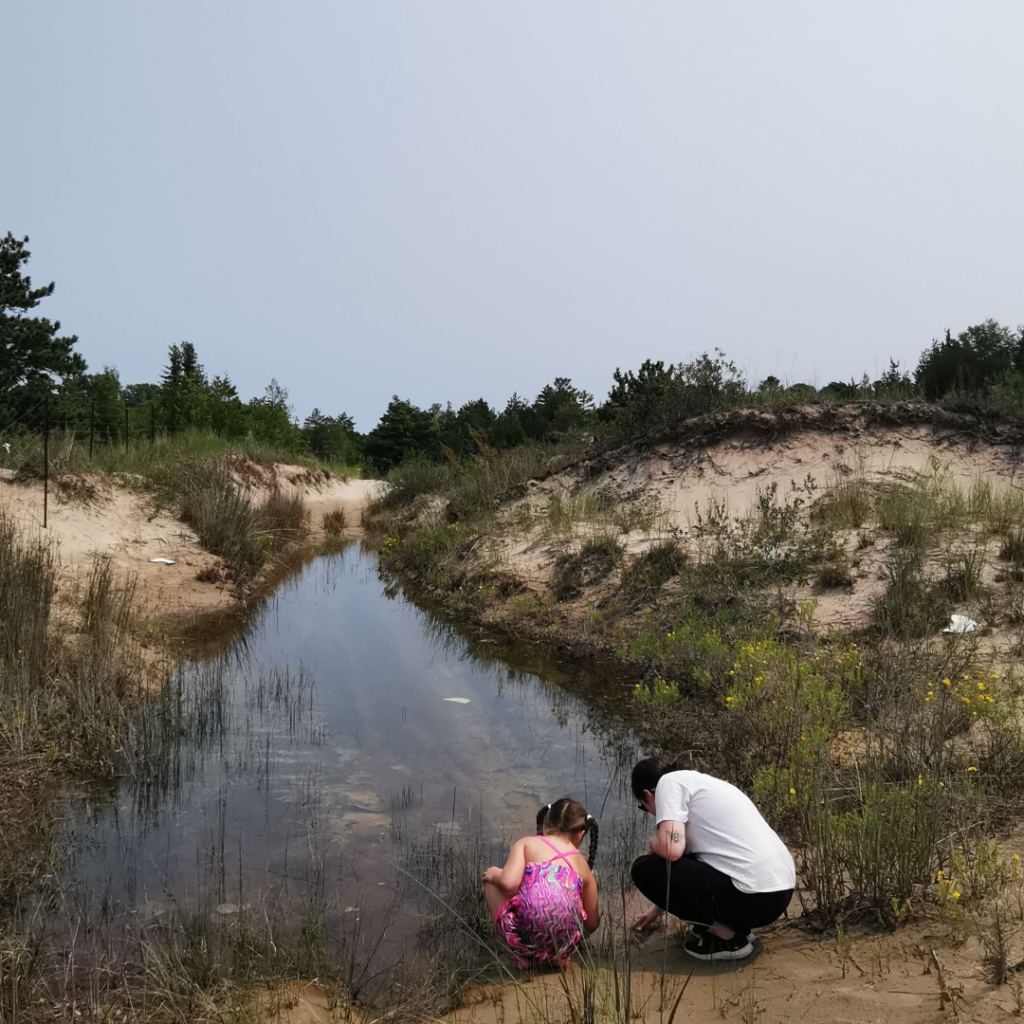
Fostering intergenerational connections within Indigenous communities is pivotal for preserving traditional land knowledge and nurturing a profound connection to the earth. By actively involving youth in our projects, through employment, volunteering and sharing knowledge, we cultivate a sense of belonging and empowerment. These endeavors not only revive ancestral wisdom but also strengthen the bonds between generations, forming a resilient foundation for the flourishing of Indigenous Ecological Knowledge for the future.
Our Focus Points
Discover what inspires us.
Indigenous Ecological Knowledge
Preserving Indigenous Ecological Knowledge (IEK) is crucial as it preserves cultural heritage, sustains biodiversity, builds resilience to climate change, enables sustainable practices, and upholds the inherent rights of Indigenous peoples. IEK embodies generations of community wisdom about local ecosystems, resource management and adaptation strategies. By valuing and preserving IEK, Indigenous communities will be empowered to maintain stewardship of the land, which will enhance inclusive approaches to conservation and development. To learn more about Indigenous Ecological Knowledge, visit our page on IEK.
Priority Species
We are committed to the preservation of the biodiversity of native wildlife on Turtle Island (North America), and have identified what is priority to us at the land trust. Our Priority Species encompass a diverse group, including those classified as Species at Risk, Traditional Medicines, and Culturally Significant Species.
Species at Risk include those designated as Special Concern, Threatened and Endangered under the national Species at Risk Act (2002), as well as those listed by the provincial Endangered Species Act (2007) of Ontario.
Traditional Medicines hold significant cultural and spiritual importance to Indigenous peoples. They encompass a wide range of plants, herbs, and remedies that have been passed down through generations and are used for healing, spiritual ceremonies, and maintaining overall well-being. These medicines are often deeply intertwined with Indigenous knowledge systems, traditional practices, and holistic approaches to health. They are considered vital components of Indigenous cultural identity and are used to address physical, mental, emotional, and spiritual ailments within Indigenous communities.
Culturally Significant Species are those plants, animals, and other living beings that hold profound cultural, spiritual, and traditional importance to Indigenous peoples. These species are often deeply connected to Indigenous knowledge, stories, ceremonies, and ways of life, playing integral roles in cultural practices, rituals, and teachings. They may be revered as ancestral beings, symbols of resilience, or embodiments of cultural values and teachings. Culturally Significant Species can vary widely among different Indigenous communities, reflecting the diverse cultural and ecological landscapes across Turtle Island. Their preservation and protection are crucial not only for biodiversity conservation but also for the continuation of Indigenous cultures and ways of knowing.
Indigenous Land Preservation
We believe there are many opportunities for Canadians to give back to Indigenous groups to advance the revitalization of traditional lifestyles and identities through donations of private lands and resources. The land trust has developed a 'Land Back' strategy, guiding the process and highlighting lands of traditional and environmental significance. With the land we have acquired, we can work together to rejuvenate and engage in land-based learning and relationships. We are dedicated to implementing wildlife and land management practices influenced by Indigenous Knowledge. It is imperative for Indigenous groups and communities to have access to traditional lands, not only for healthy lifestyles, but for future generations to stay connected with their identity and ancestors.
Intergenerational Knowledge Transfer
Fostering intergenerational connections within Indigenous communities is pivotal for preserving traditional land knowledge and nurturing a profound connection to the earth. By actively involving youth in our projects, through employment, volunteering and sharing knowledge, we cultivate a sense of belonging and empowerment. These endeavors not only revive ancestral wisdom but also strengthen the bonds between generations, forming a resilient foundation for the flourishing of Indigenous Ecological Knowledge for the future.